What is Sulfur Hexafluoride?
The Most Powerful and Overlooked Fluorinated Greenhouse Gas
Sulfur Hexafluoride (SF₆) is a man-made synthetic fluorinated gas (F-Gas) and is recognized as the most potent greenhouse gas (GHG).
What is the issue with SF6?
SF₆ has a Global Warming Potential (GWP100) 24,300 times higher than CO2 and an atmospheric lifetime of 3,200 years. It is also an extremely stable compound and remains in the atmosphere for millennia. So unlike other F-gases like hydrofluorocarbons (HFCs), and other superpollutants like nitrous oxide (N2O), even a small amount of SF₆ will continue to impact global climate change for thousands of years.
The rapid global expansion of the electrical power industry has significantly contributed to rising SF6 emissions in this century. Global emissions of SF6 were approximately 9,000 tonnes in 2020, equivalent to more than 200 million metric tons of CO2e – similar to CO2 emissions from burning 235 billion pounds of coal. Atmospheric measurements indicate that SF6 reporting from countries have consistently underestimated emissions, while other major sources and regions are largely unmonitored and unchecked.
Strong regulatory action is needed globally and regionally to capture these powerful emissions, adopt best practice for lifecycle management and leak prevention, switch to alternatives, and ensure current, accurate emissions data is publicly available. With its incredibly long atmospheric lifetime, any emissions of SF6 cause near-permanent change to global warming, underscoring the urgency for immediate and ambitious action. We cannot reverse the SF6 already emitted into the atmosphere, but preventing future emissions now can have a significant and lasting climate benefit.
What is SF6 used for?
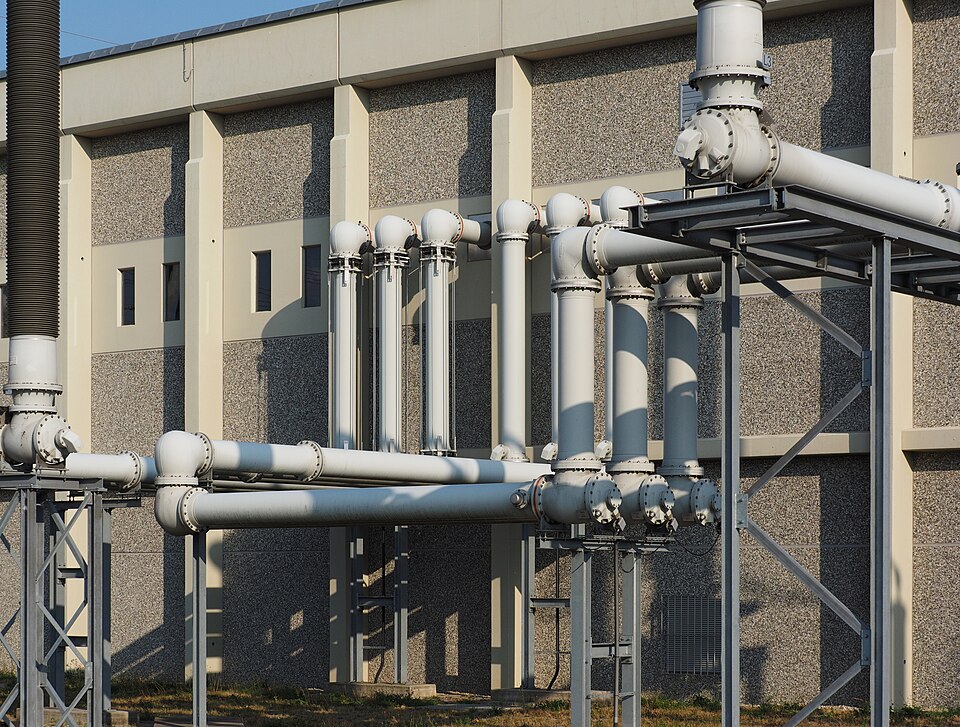
Currently, the largest source of SF₆ emissions is from its use in electricity distribution to insulate medium-and high-voltage grid equipment. Increasing electricity demand and the transition to decentralized renewable energy sources drive the need for this equipment, with an expected addition of medium-voltage switchgear units between 40% and 90% until 2050. SF6 use is also growing rapidly in the production of semiconductors.
What are the risks of fluorinated substitutes?
There are proposed fluorinated substitutes with lower GWPs than SF6 but still pose major concerns. For example, fluoronitrile has a GWP100 that is still 2,750 times higher than CO2, and even when mixed with other gases, fluoronitrile still has a GWP100 of up to 700 times higher than CO2. Chemicals like fluoronitriles exhibit higher acute toxicity than SF6 and can cause neurological issues, and leave hazardous decomposition products when exposed to moisture during long-term switchgear operation.
Some jurisdictions classify fluorinated substitutes, such as HFO-1234yf, as per- or polyfluoroalkyl substances (PFAS or “forever chemicals”). Substitutes like HFO-1234yf break down almost completely in the atmosphere into trifluoroacetic acid (TFA), a highly persistent short-chain compound that has been found in drinking water, food sources and human bodies.
To prevent these problematic and high-GWP alternatives from being introduced and harming the climate for decades, F-gases that are used in insulated switchgear need to be completely phased out given the availability of climate-friendly, non-fluorinated alternatives.
Climate-Friendly, Non-Fluorinated Alternatives
Climate-friendly, non-fluorinated alternatives have been commercially available for over 10 years. Among these are Air-Insulated Gas (AIG) switchgear using “dry air”, also known as natural-origin gases (NOGs), which is a mixture of oxygen and nitrogen. Key advantages of these alternatives are that they have a GWP of 0, pose no toxicity concerns, and are non-patented and widely available.
As of 2026, there is no nationwide mandate in the U.S. to reduce usage or recover SF6 from the electricity distribution sector. Several of the U.S. voluntary initiatives and programs to reduce use and emissions of SF6 have been sunset. EIA encourages initiatives to reduce SF6 emissions, including regulations such as in the states of California, New York, and Massachusetts restricting new SF6 equipment and implementing strict SF6 recovery and leak reduction requirements for existing equipment.