Japan’s Domestic Ivory Market
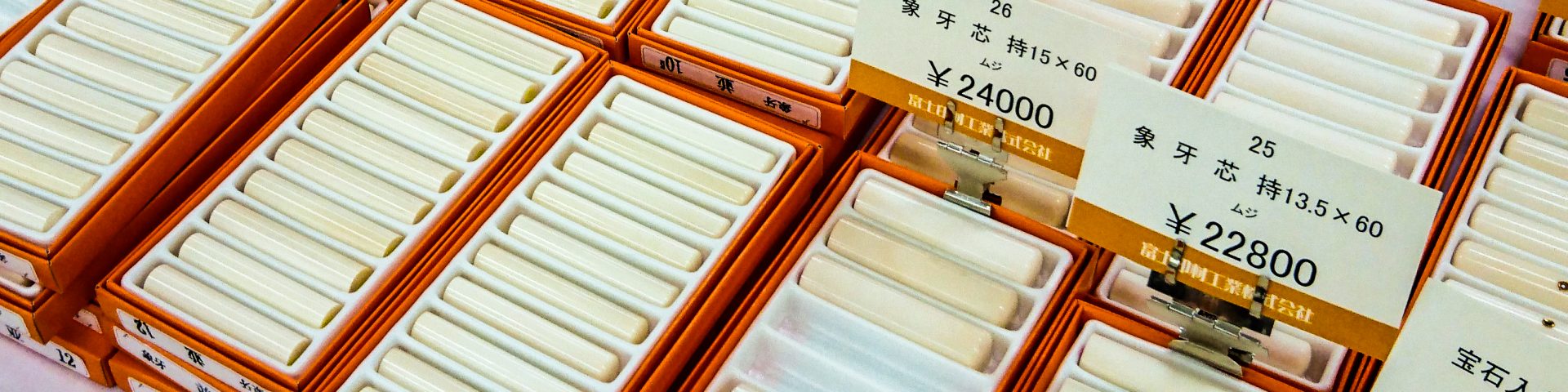
EIA advocates for the end of all commercial trade in ivory to protect elephants from being poached to supply the trade. While most of the world’s ivory-consuming countries have closed their domestic ivory markets to bolster the international ban implemented under the Convention on International Trade in Endangered Species of Wild Fauna and Flora (CITES), Japan’s ivory market remains open.
EIA’s investigative evidence over the years has exposed Japan’s porous ivory control system and superficial reforms. Japan’s ivory trade controls are ridden with loopholes that enable illegal domestic trade. In addition to facilitating ivory laundering, Japan’s legal market stimulates demand and makes effective enforcement incredibly challenging. Japanese retail industry leaders like Rakuten, Aeon, and Yahoo! Japan have acted to cease ivory sales, and address their roles in Japan’s porous and problematic domestic ivory market, but government action is needed.
Japan’s legal market also contributes to the illegal international ivory trade problem – ivory purchased legally within Japan is being illegally exported to other countries, such as China. International seizures of legally purchased ivory in Japan make it clear that Japan’s domestic ivory market poses a threat to international efforts to combat poaching and the illegal ivory trade, particularly as others close their own domestic trades and markets shift. Illegal Japanese ivory exports undermine bans on domestic ivory trade enacted in importing countries and violate the international ivory trade ban EIA supports the closure of all domestic ivory markets to bolster the CITES international ban on commercial ivory trade.