Locally-Grown Logs
Making a Log Export Ban in Congo a Reality
Congo at a Crossroads
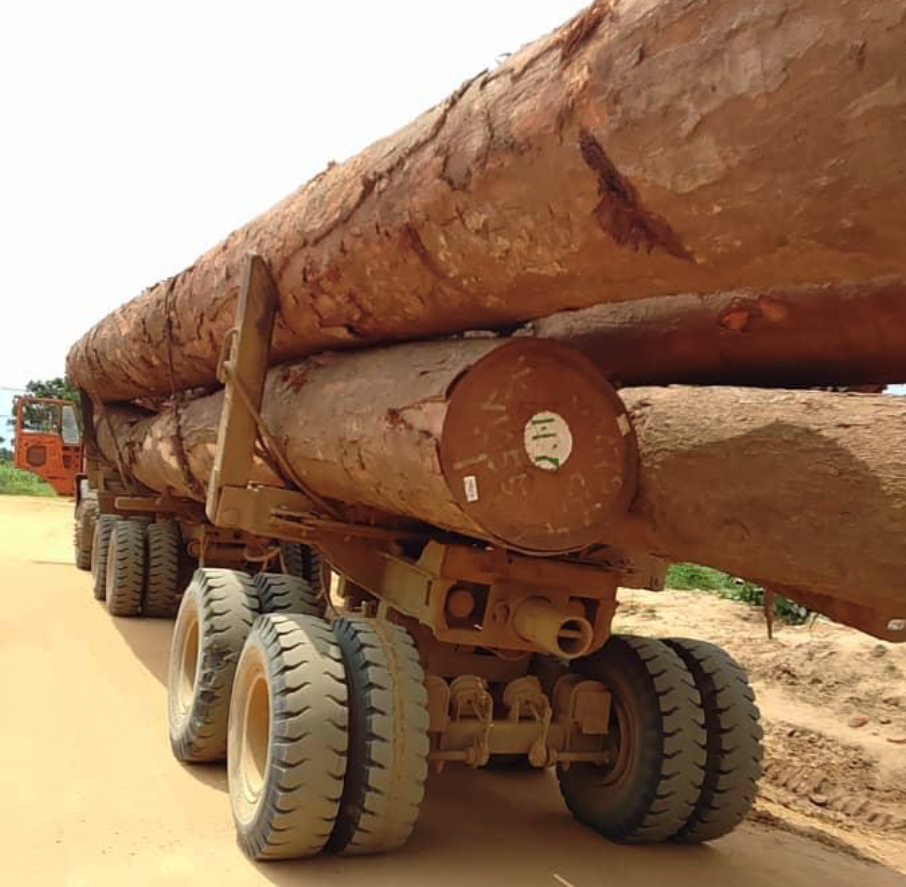
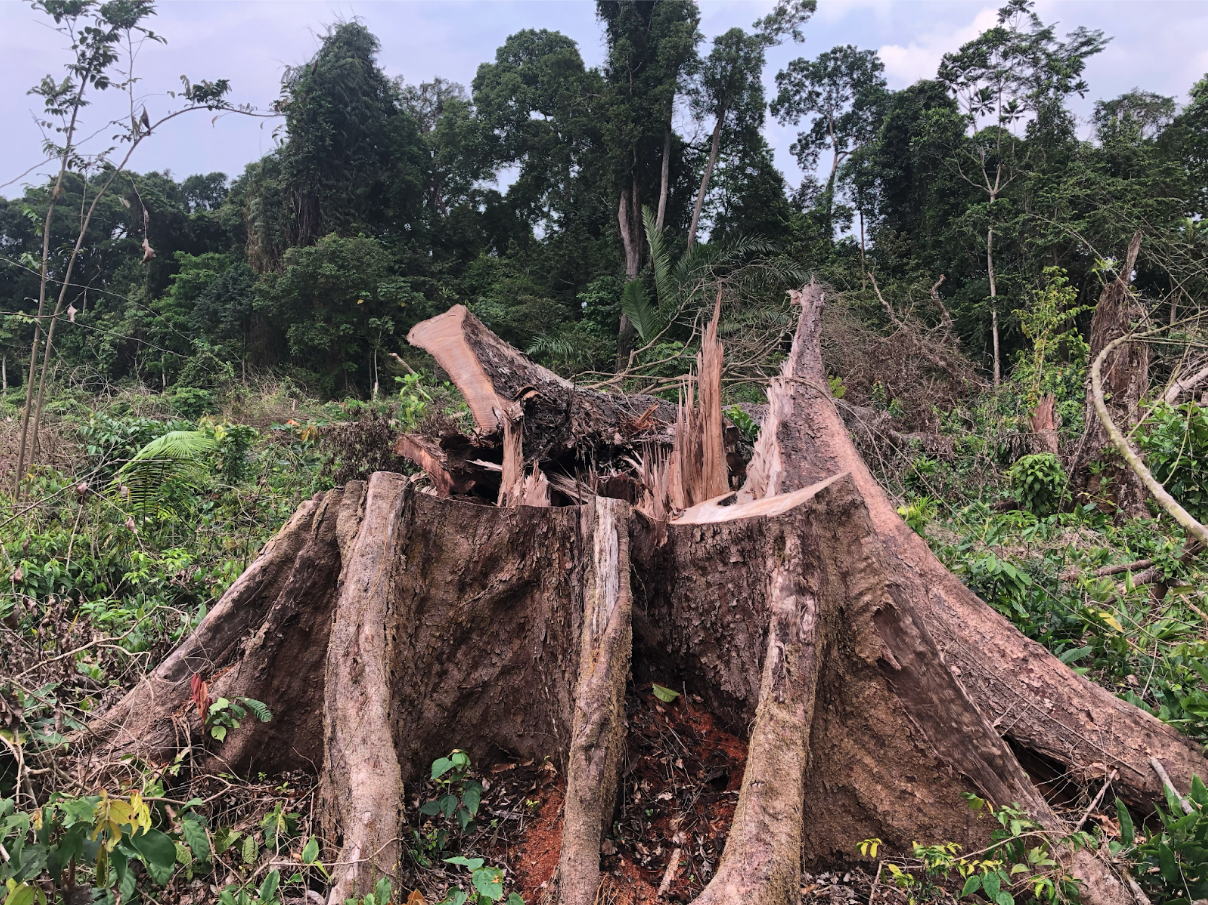
In January 2026, government officials and civil society leaders gathered in Ouesso, Republic of Congo, to address a crucial challenge: how to make the ban on log exports in the country a reality. Under a 2024 Central African Economic and Monetary Community (CEMAC) directive, member states (Cameroon, Congo, Gabon, Equatorial Guinea, Chad, Central African Republic) agreed to end the export of unprocessed timber by January 1, 2028.
Organized by the Center for Action for Development (CAD), the Ouesso meeting revealed both strong support and serious obstacles. “The results observed to date have been described as mixed,” the report notes. Some local public administration officials only learned of the CEMAC directive during the meeting itself, highlighting serious gaps in communication and preparation.
Civil Society Sheds Light
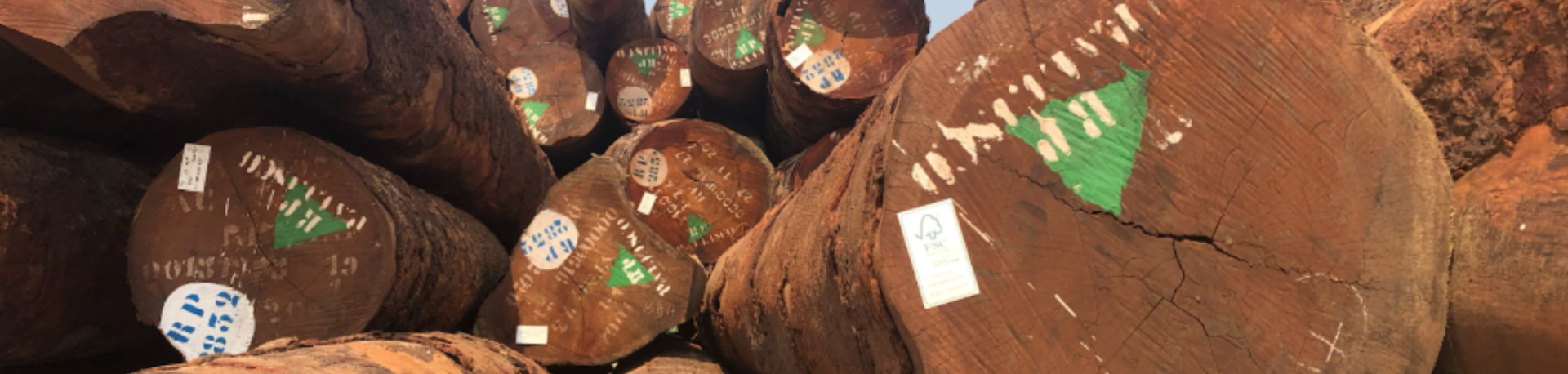
The CAD used this meeting to present the results of monitoring missions in Kouilou, Pointe-Noire, and the Sangha region. A key issue: lack of regulatory clarity. No text defines what is meant by “processed” wood, creating a loophole where basic sawing of logs into square shapes, known as squaring, is presented as complete processing. “Some companies are circumventing the law by exporting slightly modified logs,” warned the CAD.
Worse still, the authorities continue to issue “special permits” that allow certain companies to export raw timber, undermining the purpose of the ban. Without clear and enforced standards, such loopholes render the ban ineffective.
Furthermore, during monitoring missions, local officials admitted that they found it difficult to take action against powerful interests.

Short-term Pain, Long-term Gain
Indeed, some departments have reported a decline in customs revenues since the ban came into effect in 2023, and forestry companies have warned of productivity declines and layoffs. These concerns echo Gabon’s experience: after the ban on log exports in 2010, tax revenues initially fell by 80%.
However, the long-term benefits are significant. CEMAC projections suggest that comprehensive local processing in the region could generate more than 60,000 jobs and increase public revenues by 25%, while attracting billions in new investment. As the Ouesso report confirmed, the ban should be seen “not as a constraint, but as a lever for economic development and industrial sovereignty.”
Regional Momentum
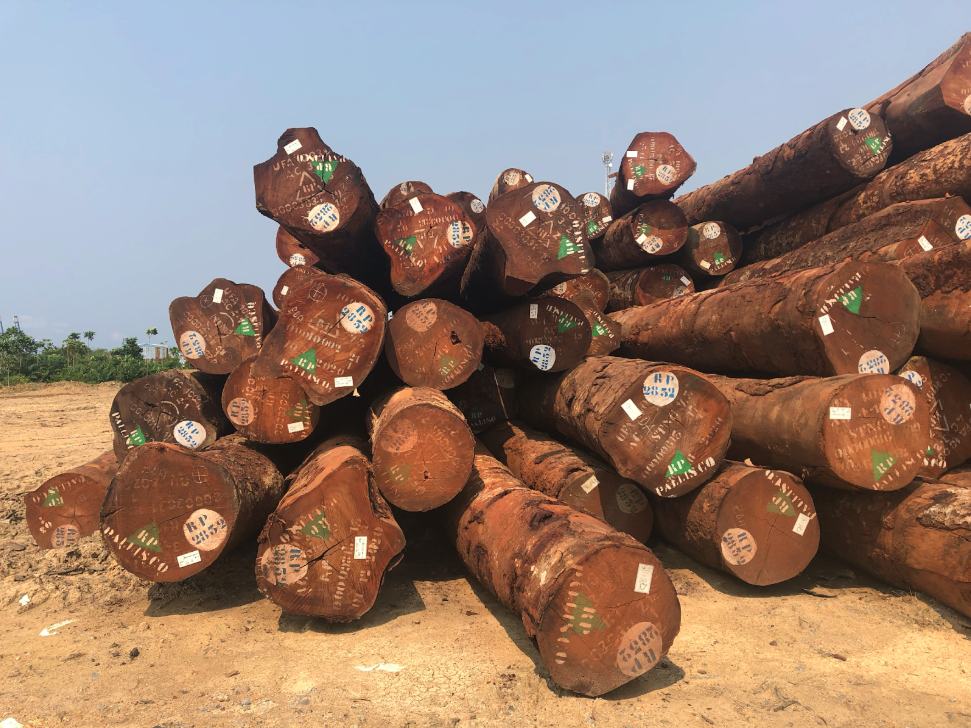
Congo is not alone. Gabon is the regional leader thanks to its early and sustained enforcement. Cameroon, although slower, has banned the export of 76 timber species in 2024 and plans full enforcement by 2028. Equatorial Guinea, CAR, and Chad have made political commitments, although implementation remains limited.
The revised CEMAC deadline of 2028 offers a final window for action. The question now is whether countries can match commitment with achievement.
The Way Forward
The Ouesso meeting produced strong recommendations:
- Leadership: High-level oversight by the Prime Minister or the Presidency is needed to better coordinate other ministries and avoid fragmented enforcement.
- Legal clarity: Congo must urgently define what qualifies as “processed wood,” set processing thresholds, and update tariffs.
- Coordination: Departmental services (forestry, customs, transportation, environment) must collaborate regularly to enforce the ban uniformly.
- Independent monitoring: A civil society-led monitoring mechanism should track violations and issue real-time alerts. These measures will not only fill gaps; they will build trust and legitimacy.
A Ban Worth Enforcing
This is not just a technical policy; it is an opportunity to regain sovereignty over an essential resource. If enforced, the log export ban could transform Congo and its neighbors from raw material exporters into thriving timber industries. Communities would gain jobs and income, governments would increase their revenues, and forests would be managed more sustainably.
As 2028 approaches, the message from Ouesso is clear: it is time to act. With coordination, clarity, and courage, Congo can set an example for Central Africa and turn timber, often seen as a missed opportunity, into a real driver of national growth.