Lacey Act FAQ
Frequently asked questions about the U.S. Lacey Act, the world’s first ban on trade in illegal wood.
- Areas of work:


Frequently asked questions about the U.S. Lacey Act, the world’s first ban on trade in illegal wood.
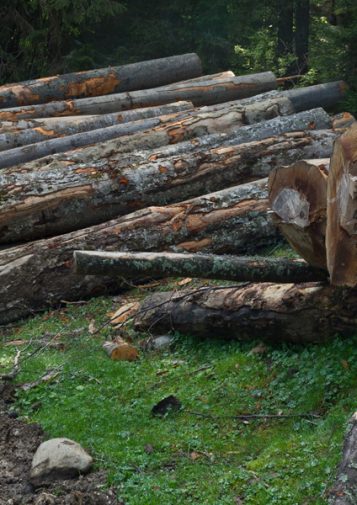
In a visual representation of EIA’s multi-year investigation of illegally harvested timber from the Russian Far East (RFE), we track the value of Mongolian Oak as it moves along the supply chain–from biodiverse forests in the Russian Far East, through manufacturing sites in China, and ultimately to retailers in the U.S. At every stage of […]

What do Siberian Tigers and American forestry workers have in common? Both are threatened by the illegal timber trade, which destroys forests and undercuts responsible forest industry – and the good jobs it provides – with cheap, black market timber from around the world. In areas like the Russian Far East high levels of corruption […]

This video illustrates the path of illegal timber from the old growth forests in the Russian Far East, through manufacturing in China, and ultimately into homes and offices in the United States as hardwood flooring. The devastating impacts of the illegal timber trade clearly show the need for implementation and enforcement of the Lacey Act, […]
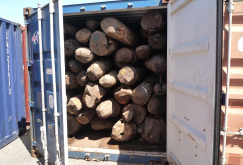
WASHINGTON, D.C. – Kenyan authorities seized 34 containers of illegally-sourced rosewood from Madagascar at the port of Mombasa yesterday, the largest ever recorded seizure of its kind. Information obtained by the Environmental Investigation Agency (EIA) and shared with Kenyan Wildlife Service indicates that the containers carrying the illicit logs, stolen from Madagascar’s unique forests, were […]

WASHINGTON, D.C. – Following demonstrations at a supplier export facility in Brazil last week, activists staged a protest during Lumber Liquidators’ shareholder meeting today at their Toano, Virginia headquarters. The United States’ largest flooring retailer has again come under fire after a Greenpeace investigative report detailed Lumber Liquidators’ purchases from some of Brazil’s riskiest regions […]