Management of Seized Refrigerant
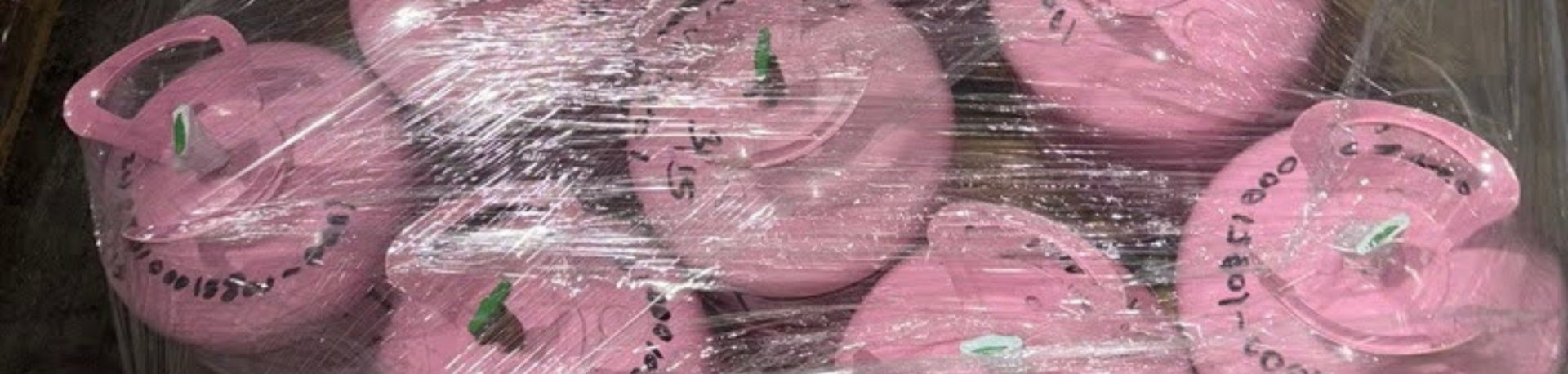
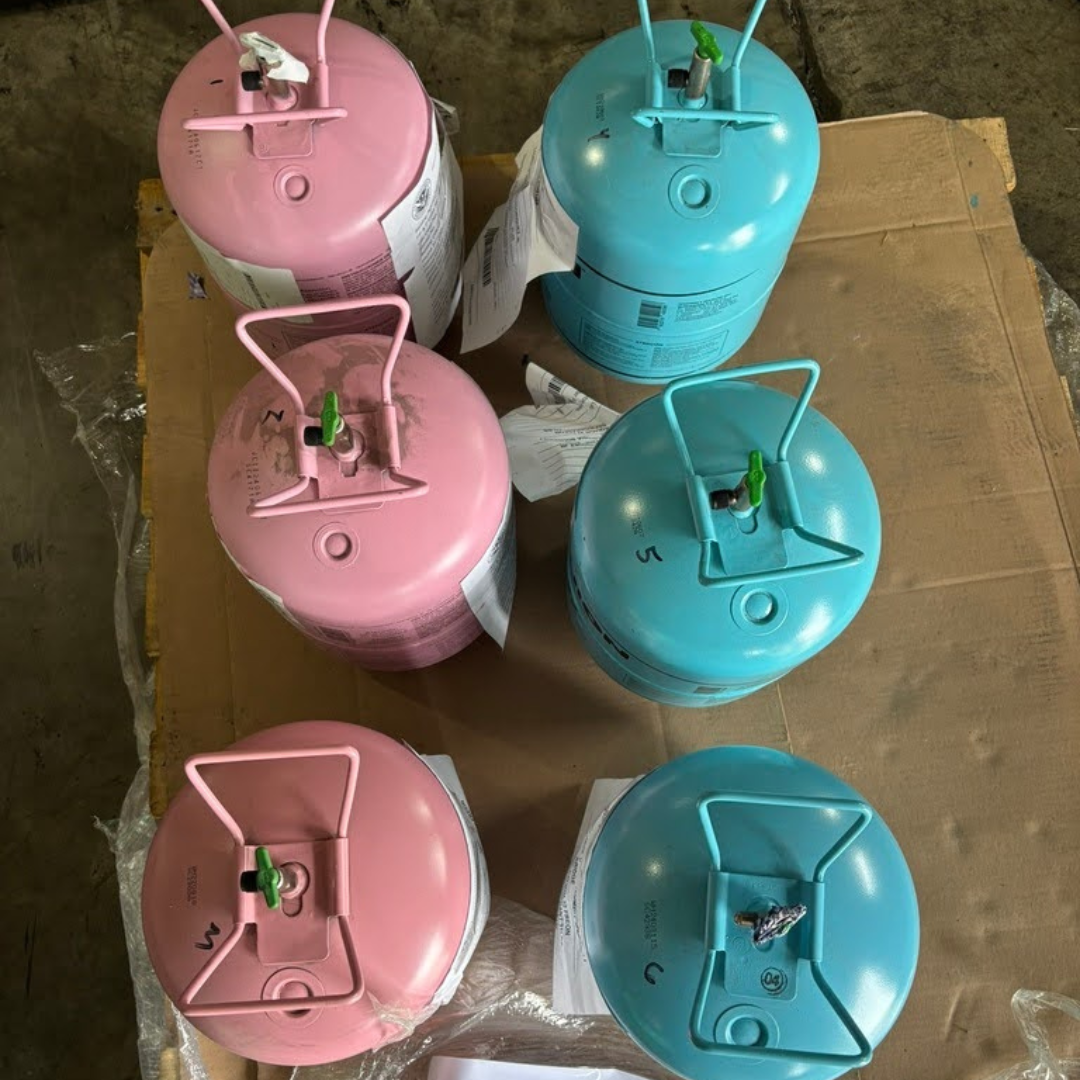
As potent ozone-depleting and/or greenhouse gases, refrigerants can have a significant climate impact if released through leaks, mishandling or improper disposal. And as pressurized gases, they may pose safety risks if cylinders are damaged, contaminated or mishandled. Black market refrigerants are more likely to be contaminated or improperly handled, packaged and labeled, increasing the risk of leaks and equipment failures. This can further complicate their safe handling and disposal once seized by authorities.
As per the United Nations Environment Programme (UNEP) Checklist on Auction of Seized Refrigerants – How to Get it Right, authorities may have several disposal options for managing seized refrigerants, including:
- Long-term storage: A temporary measure while authorities determine the appropriate disposal method. Even properly stored refrigerants can leak into the atmosphere over time, and illegal refrigerants are more likely to leak as they may be improperly packaged, stored, and transported.
- Government denial of entry (i.e., sending back disallowed refrigerants): Applies to illegal refrigerant shipments that are not cleared by government customs authorities for entry into the country. Such denial typically occurs without fines, penalties, or forfeiture; thus allowing the illegal importer to attempt entry into a different port of entry.
- Re-exporting seized refrigerants to the country of origin: Applies to illegally imported refrigerants that have been seized by authorities, and can be re-exported to the producer or exporter in the country of origin if known. Without systematic tracking, the refrigerant could be smuggled again.
- Destruction or export for destruction: If seized refrigerants can no longer be legally used in the country, and/or are contaminated to the point they cannot be reclaimed to recommended standards at reasonable costs, they can be destroyed in the country or exported elsewhere for destruction. The Montreal Protocol’s Technology and Economic Assessment Panel (TEAP) maintains a list of approved destruction technologies for controlled substances, including refrigerants, to ensure compliant disposal.
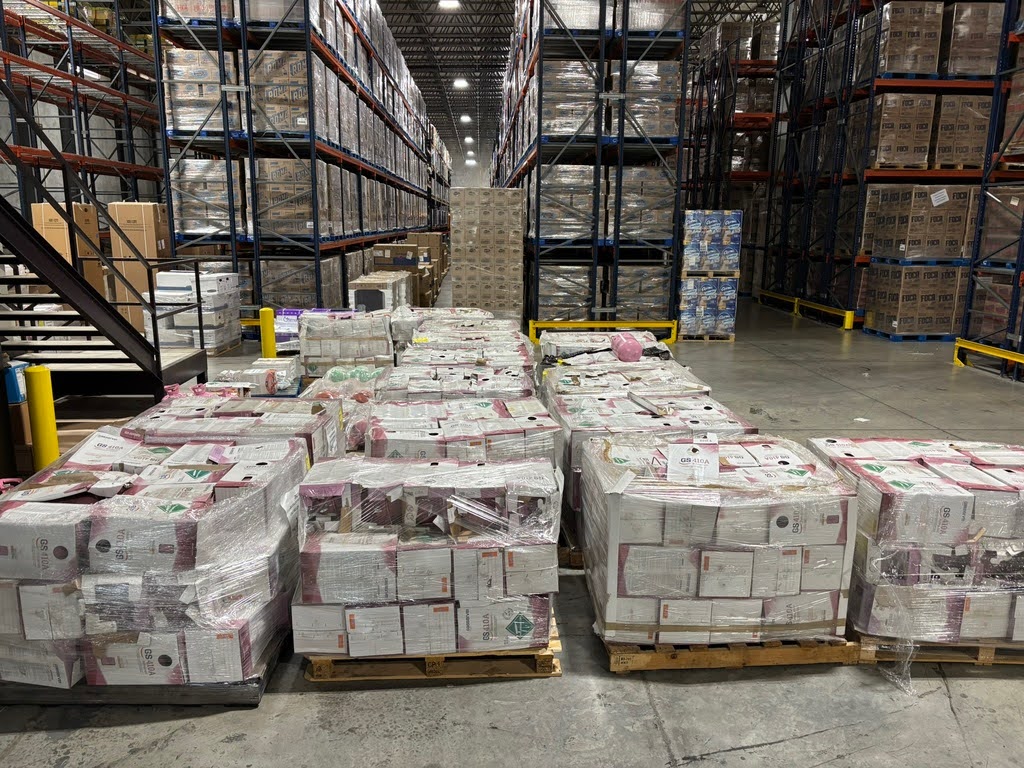
- Auctioning of seized refrigerants: Refers to refrigerants that were imported in violation of national legislation and licensing requirements or quota allocations, but are legally allowed for use in refrigeration and air conditioning equipment. See the UNEP checklist for more on auctions.
Government auctioning of seized refrigerant can, in some cases, avoid the emissions and financial costs associated with destruction, which is often energy intensive, while meeting lawful domestic demand. By placing this refrigerant back on the regulated market, authorities may reduce the need for equivalent volumes of newly produced refrigerant. Auction revenue can potentially offset the costs of auctioning and storage, as well as disposal of any refrigerant that may be contaminated or non-compliant for resale or reclamation. However, strong controls and oversight must be in place to avoid undermining phasedown objectives.
Auctioning refrigerant comes with challenges, and ensuring that auctions are conducted in line with national licensing and quota systems is critical to prevent market distortion or the addition of refrigerant that goes beyond allocated limits. Governments should test and insure the purity of the seized refrigerant prior to offering it for auction, especially if the auctioned refrigerant is tied to a national licensing and quota system.

World Customs Day
Customs and enforcement officers are on the frontlines of stopping illegal trade in refrigerants and other substances controlled under the Montreal Protocol, crucial to fulfilling international and national environmental obligations. As highlighted in previous issues of our bulletin, ensuring that customs and enforcement officers have the right tools and training is crucial to stop the illegal trade of refrigerants, and must continue to be a top priority of the Montreal Protocol and its Parties.
In recognition of World Customs Day on January 26th, UNEP OzonAction shared a series of interviews with enforcement officers from around the world, providing insights into the challenges they face in enforcing the Montreal Protocol, and their motivations and lessons learned as customs officers. The interviewees also reflected on their participation in enforcement operations that build on cross-border cooperation to stop environmental crimes, such as Operation Demeter discussed below.
International Enforcement Collaboration: Operation Demeter XI
Drawing attention to international collaborative enforcement efforts, Operation Demeter closed out its 11th iteration, with the World Customs Organization (WCO) sharing the results from Operation Demeter XI in late January 2026. The WCO’s Operation Demeter targets and prevents illicit waste, potent greenhouse gases, ozone-depleting substances (ODS) and other hazardous chemicals that are controlled under the Montreal Protocol from further polluting the environment.
Executed over five weeks with two operational phases in 2025, Operation Demeter XI, a record collaboration between 120 Customs administrations worldwide, resulted in 409 seizures and a substantial increase in the volume of intercepted illicit substances. Such inter-agency cooperation and intelligence-sharing are essential to addressing evolving illegal trade tactics and safeguarding supply chains, markets and the environment from illicit actors and substances, while strengthening the expertise of customs and enforcement authorities.
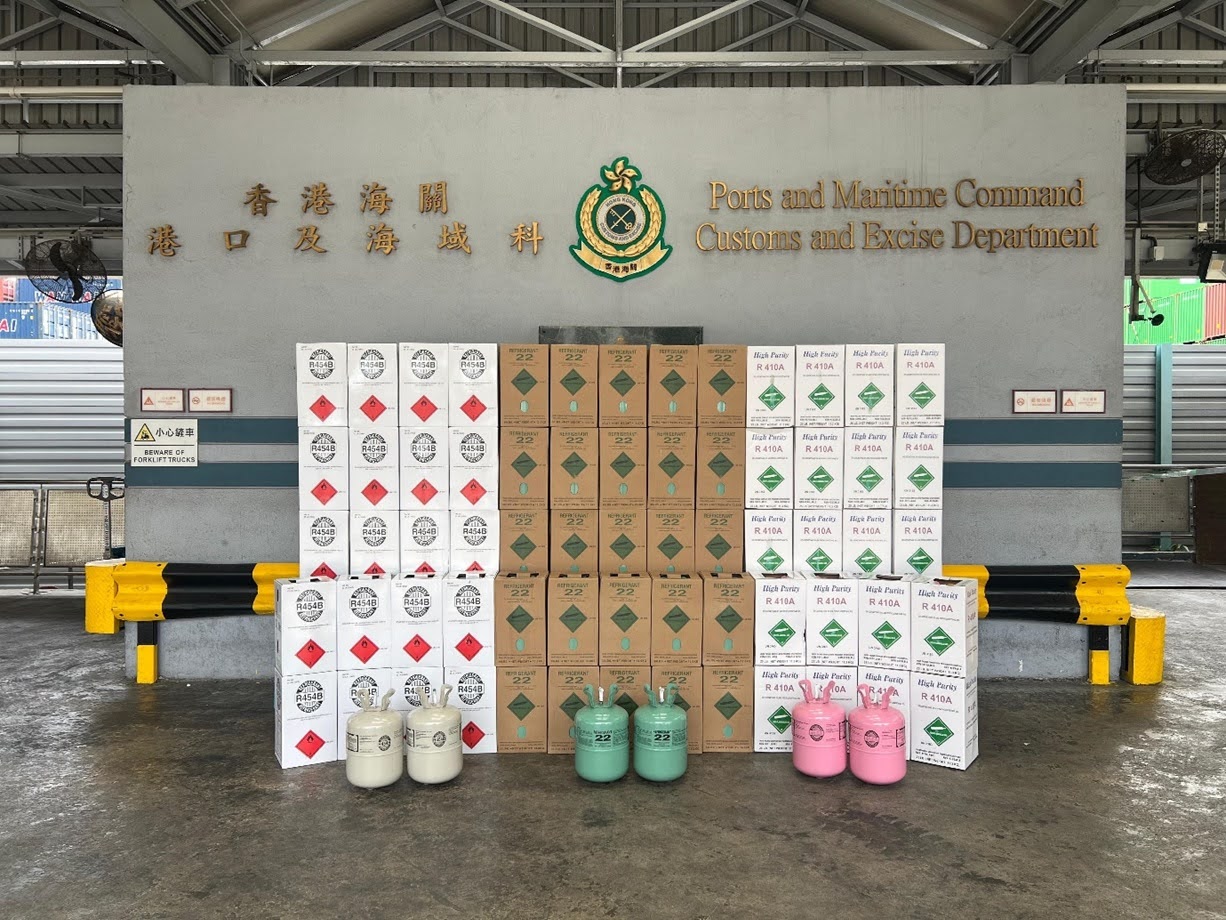
Hong Kong Customs intercepted a misdeclared shipment that is suspected to be smuggled, seizing 13.8 tonnes of refrigerant. Photo Source: Hong Kong Customs
As part of Operation Demeter XI, authorities seized 168 tonnes of ODS and HFCs, and 13 tonnes and 5,707 pieces of equipment containing or relying on substances controlled under the Montreal Protocol. One of these successes, highlighted in the previous issue of our Illegal Trade Bulletin, was the seizure of approximately 1,300 cylinders of high GWP and ozone-depleting refrigerant by Hong Kong Customs in November 2025. The intercepted suspect shipment was misdeclared as laminate flooring.
Another enforcement action that was part of Operation Demeter XI in 2025 related to refrigerants was carried out by Belgium Customs, and involved the seizure and subsequent return of electronic waste (e-waste) including refrigerators and freezers that may contain refrigerants that are controlled under the Montreal Protocol. Cases like this underscore why proper lifecycle refrigerant management (LRM), which includes the disposal of refrigerant from equipment like refrigerators or air conditioners at the end of life, is absolutely critical to prevent ozone-depleting and greenhouse gas refrigerants from leaking into the atmosphere.
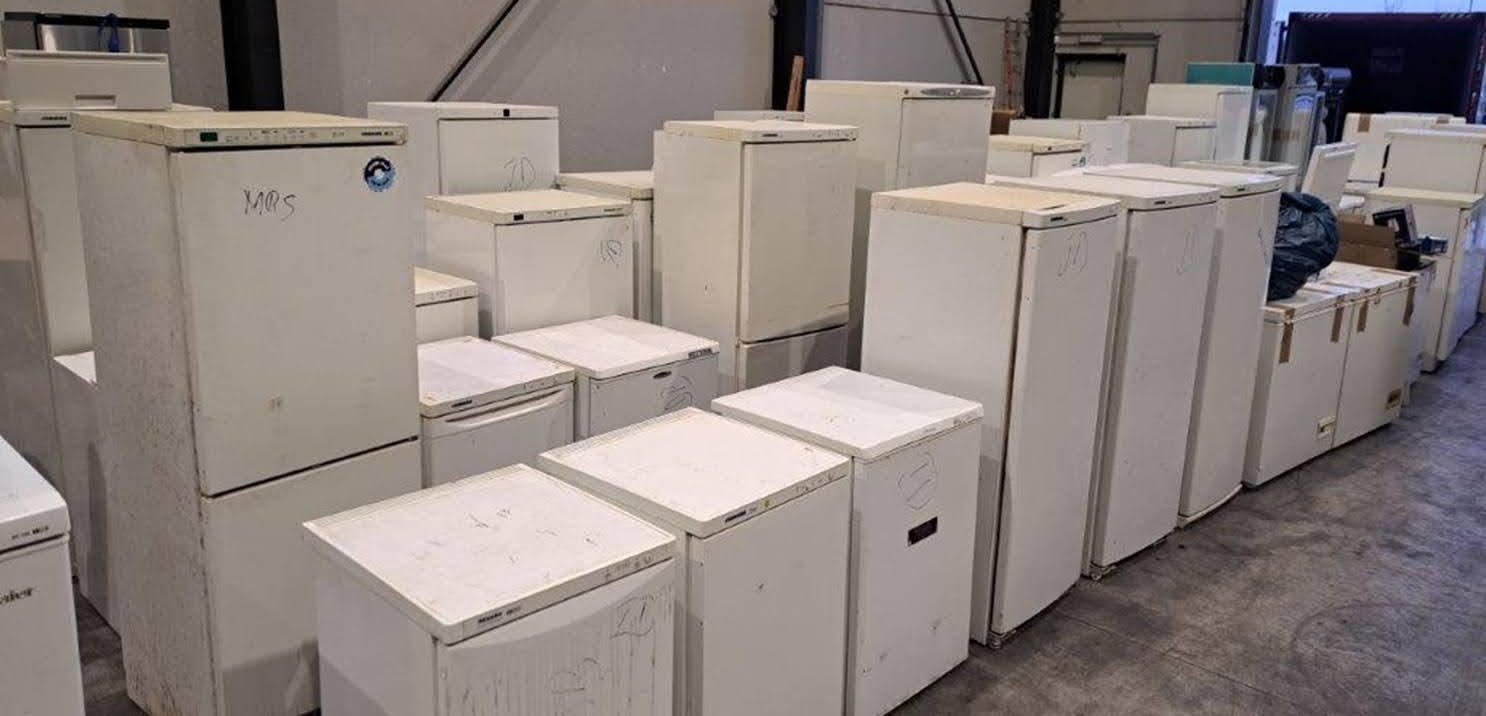
Belgian Customs, in cooperation with environmental inspection authorities, returned shipments of e-waste, like refrigerators and freezers that may contain substances controlled under the Montreal Protocol. Photo Source: Belgian Customs
For next steps, the WCO pledges to continue building Operation Demeter’s success to dismantle organized transnational criminal networks and money laundering related to environmental crime, and to strengthen the necessary policy and enforcement tools. As HFC phase-down obligations continue to tighten globally under the Kigali Amendment to the Montreal Protocol, incentives for illegal refrigerant trade are likely to increase, making sustained international enforcement more crucial than before.
Send us a tip
If you suspect illegal activity related to refrigerants, you may share information with EIA by filling out our anonymous form or emailing us confidentially at [email protected].
Report violations to the EPA
Possible violation of environmental laws or regulations may also be reported to the U.S. Environmental Protection Agency (EPA) here. Information about activities that pose an urgent safety or security threat should be immediately disclosed to relevant authorities.